24 September 2026
SEO for small shops: how to win customers without living glued to ads
Advertising is a tap: while you pay, water flows. SEO is a well: it takes work to dig, but it gives you water every day. Here's how to dig yours.
24 September 2026
Advertising is a tap: while you pay, water flows. SEO is a well: it takes work to dig, but it gives you water every day. Here's how to dig yours.
Every time someone tells me "I don't sell online because I don't have a budget for ads", I want to sit them down in the workshop with a coffee and explain this calmly. Because advertising is a tap: while you pay, water flows, and the day you turn it off, it's over. SEO is a well: sure, it takes work to dig, but once it's done it gives you water every single day.
In short: SEO for small shops means getting your store to show up on Google, on Google Maps and in AI assistants when someone searches for what you sell, without paying for every visit.
Google is the busiest street in the world. SEO is getting your shop window onto the best corner of that street. And here's the beautiful part: that corner can't be bought. You earn it by being the one who best answers what people are looking for. I've spent 28 years fighting to get shop windows onto the best corners of cities like Paris and London, and I swear the logic online is exactly the same: location, clarity and making people want to walk in.
When someone searches "ceramics shop in Zamora" or "clothing alterations near me", Google first shows a map with a handful of businesses. That map comes from your Google Business Profile. It's free and it's by far the most profitable thing a neighbourhood shop can do. What I always check:
And I'm telling you from my own experience: I've seen profiles stuck for months over details as silly as an address missing the floor number. Google is very picky about consistency. If something doesn't add up, it won't tell you: it simply won't show you.

Nobody searches for "Model 23B". People search for "hand-embroidered t-shirt", "handmade ceramic mug" or "original gift made in Zamora". So your categories and product pages have to speak the way your customers speak: clear titles with the words people use, your own descriptions (never the supplier's copied text, Google has seen it a thousand times), photos with proper alt text and a structure that makes sense at first glance.
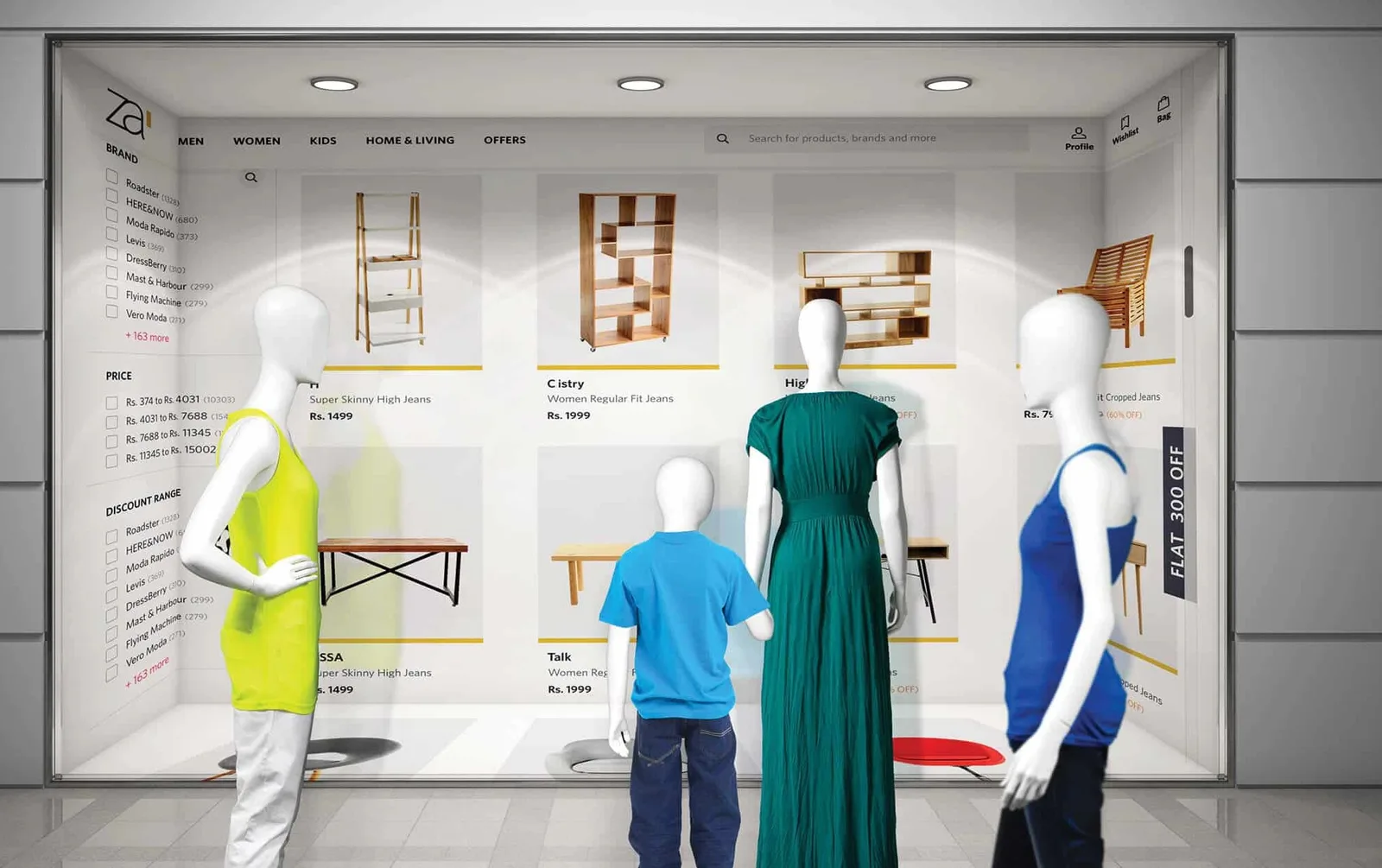
This is new and it's serious. More and more people ask ChatGPT, Gemini or Google's AI answers directly: "where can I buy a handmade gift in Zamora?". Optimising for that is called GEO. How do you get an AI to mention you? With content that answers specific questions clearly (like this article), with your business details consistent everywhere, with reviews, and with other websites talking about you: local press, blogs, industry directories. AI trusts what it sees repeated and confirmed by several sources.
Reviews are good old word of mouth, but in writing and in front of everyone. They help Google show you on the map and, above all, they help people make up their minds. My advice: ask for them when the customer is happy (at the till, when handing over an order), reply to every one of them, good and bad, politely and with your own name, and never, ever buy them. Fake ones smell from a mile away, and Google can smell them too.
Thirty days, without spending a penny on ads. It won't make you rich overnight, but you start digging your well. And in a few months, while others keep paying for every visit, you'll have people walking in on their own. Through the street door and the online one.
It depends on how competitive your sector is, but count on months, not weeks. Local SEO, the Google map, usually moves faster than an online store competing nationwide.
The basics, yes: your Google Business Profile, reviews and product copy. For the technical side and the strategy, it's worth having someone who does it every day.
It doesn't replace it, but it makes you depend on it much less. Ideally SEO is the foundation and ads are the accelerator, never the other way round.
It's working on your online presence so that AI assistants, such as ChatGPT, Gemini or Google's AI answers, mention you when someone asks about what you do.

Who's writing
Juan Carlos Barrón
Web designer, event organiser, visual merchandiser, window dresser and retail consultant with 28 years in stores such as Zara, Chanel, Lladró and Galeries Lafayette. Now, from the beautiful Calle Balborraz, at number 14, in Zamora, to the world: in Spanish, English and French.
Get to know me →