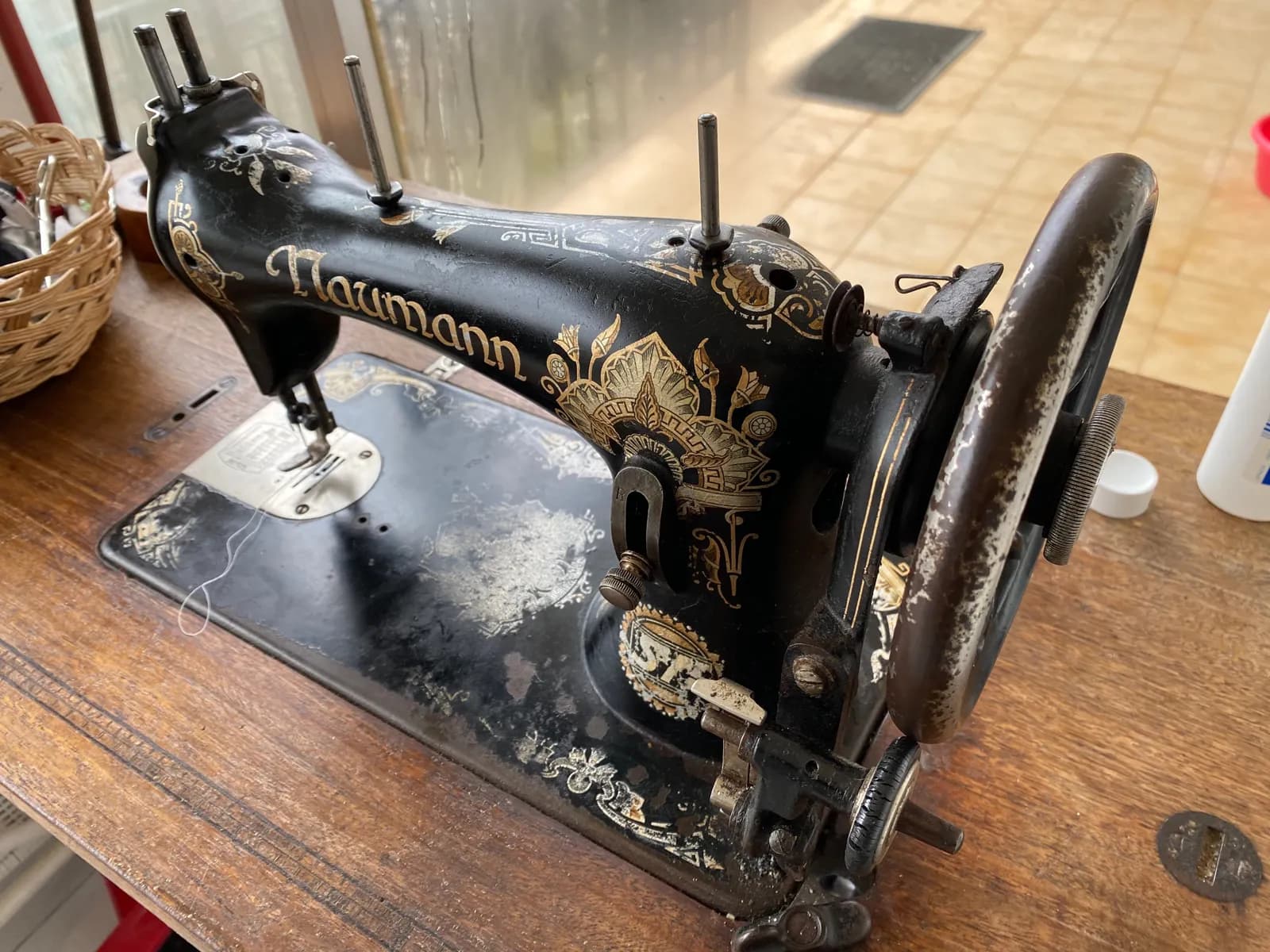
24 September 2026
Welcome to my workshop: selling online without selling your soul
I'm opening the Barronico blog the way I open the shop shutter: telling you straight how I see growing online, growth marketing and online stores for small shops.
24 September 2026
I'm opening the Barronico blog the way I open the shop shutter: telling you straight how I see growing online, growth marketing and online stores for small shops.
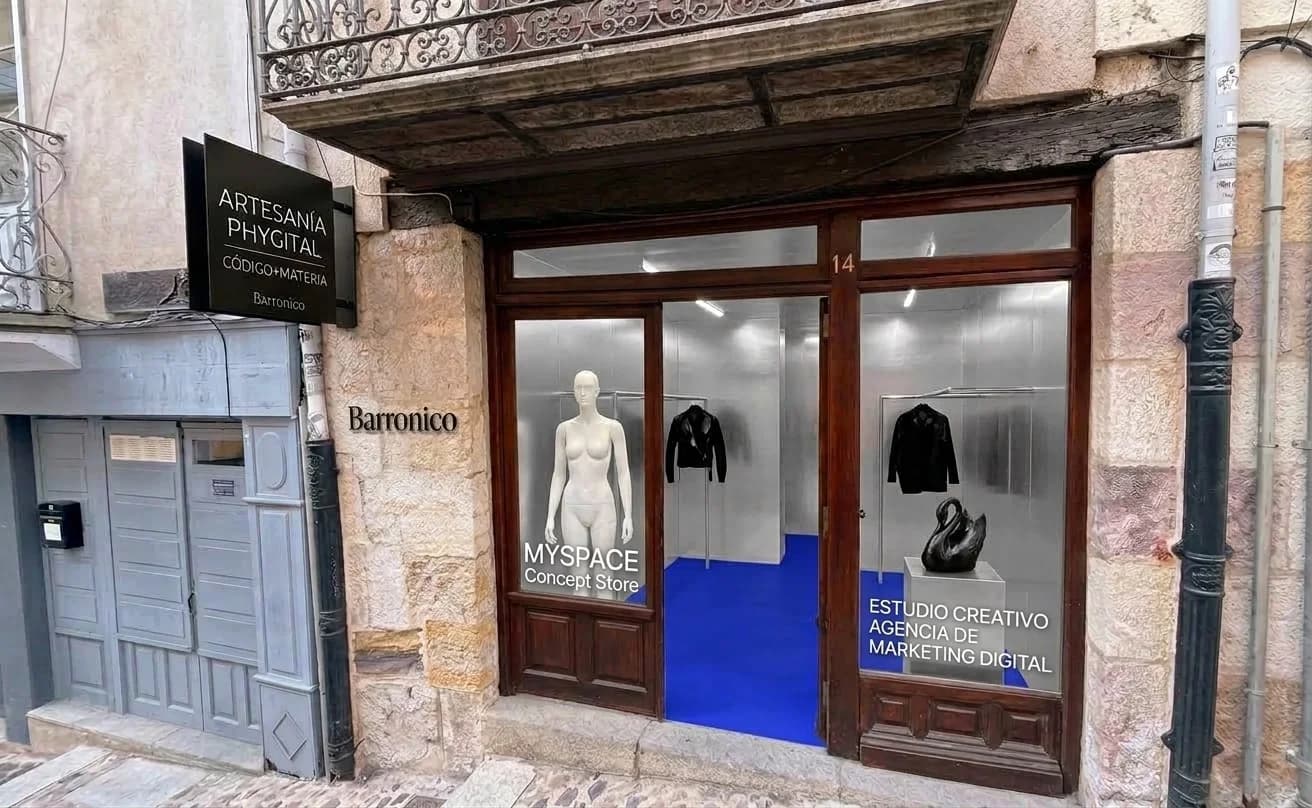
Come in, come in. This is Barronico, and this is my workshop notebook.
My name is Juan Carlos Barrón and I've spent 28 years in shops. Zara, Chanel, Lladró, Galeries Lafayette. London, Paris, Madrid, and now Zamora. I've dressed shop windows in the small hours, fought over a badly placed mannequin and seen up close what makes someone stop in front of a pane of glass and end up walking in. And it all started with something silly: I began photographing shop windows and posting them on Facebook, for free, asking nothing from anyone, just because I felt that work deserved someone stopping to look at it.
Barronico is my lab. Two things live here that plenty of people think don't go together at all: MATERIA, what you touch (signature pieces, ceramics, sewing, shop windows, events), and CÓDIGO, what you code (websites, online stores, SEO, digital strategy). To me they're exactly the same thing, and you'll see why. Very soon you'll see it with your own eyes, at street level, at Balborraz 14, the artisans' street of Zamora.
And don't let the address fool you: we're in Zamora, but we work for the world. At Barronico we speak Spanish, English and French, and I've spent my whole career working abroad, in London, Paris and Madrid, with brands that play in the international league. So whether your shop is in Zamora, Lyon or Manchester, we'll understand each other just as well.
I'm going to write here the way I talk. No formulas, no filters, no snake oil. And to kick things off, let's cut to the chase: how you really grow a small shop online.
I say this with love, but I'm saying it: followers, views and likes are great for the ego, but they don't pay the electricity bill. For years I've watched brands show off gorgeous social media numbers while their till was shaking.
What makes a shop work is much more old-school: people coming back. Recommending you. Feeling your shop is a bit theirs. The fancy people call it relationship marketing. I call it doing what your local shopkeeper always did: remembering your name, putting aside what they knew you'd like, telling you where the goods came from. The internet hasn't killed that. Quite the opposite: it multiplies it, if you know how to use it.
These days it sounds great to drop "growth marketing" in a meeting, and half the time nobody really knows what they're talking about. Here it is, plain and simple: it's growing with method. Looking at the whole path someone takes from not even knowing you exist to raving about you, and improving each stretch bit by bit, testing and measuring.
Old-school marketing works campaign by campaign: you prepare it, launch it, cross your fingers and move on. Growth is a loop: I have an idea ("if I show the workshop on the product page, I'll sell more"), I test it, I see what happens, I learn and start again. You don't need money. You need consistency and the honesty to face the numbers, even when they don't tell you what you want to hear.
I see it exactly like a street shop, because that's what it is:
Notice that? Three of the five steps are pure relationship. That's why growth and old-school marketing don't fight: growth just measures and pushes what the relationship builds.
You don't need a NASA lab. Change one thing at a time and see what happens: a product's main photo, the threshold for free shipping, an email subject line, what the buy button says. If it works, it stays. If it doesn't, bin it and try the next one. Do that for a year and watch how the whole operation changes.
And one rule I'd tattoo on my forehead: if winning a customer costs you more than they bring you, growing just gets you to ruin faster. As simple as that.
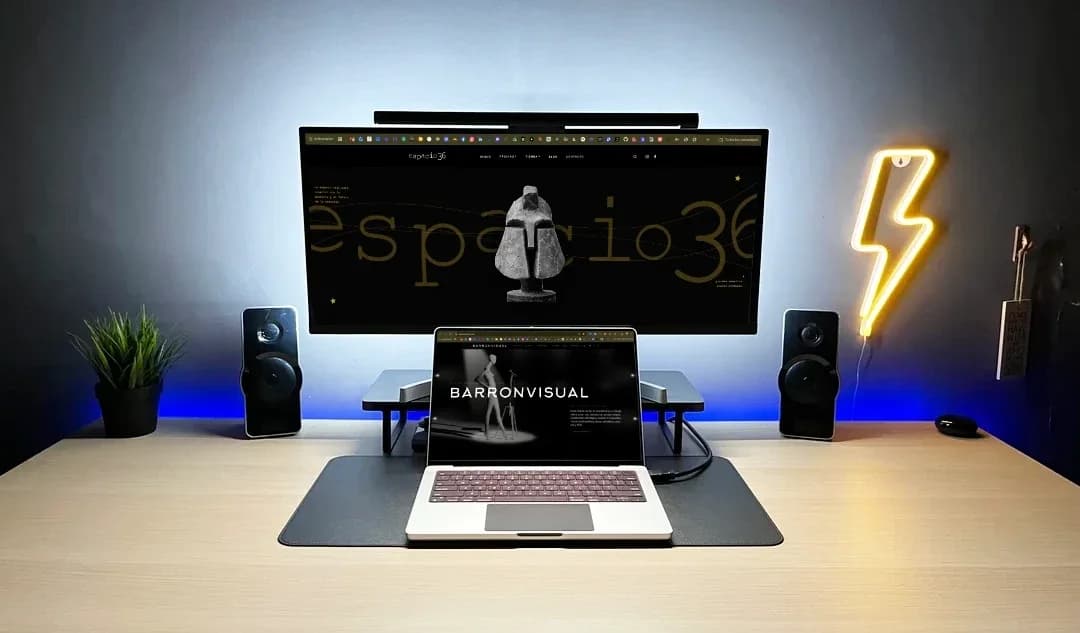
I've seen it a thousand times: a shop opens a website because "you have to be online", leaves it gathering dust, and six months later hasn't sold a single sock. And the blame goes to the platform, to Google or to the economy. Nope. What was missing was a strategy. Before you choose where to build your store, answer this:
You don't need to upload the whole stockroom. Start with what travels well, what has enough margin to cover shipping, what makes sense without touching it and, above all, what makes you different: one-of-a-kind pieces, short runs, things you can't find everywhere. I'd take a small shop with soul over an endless bazaar where you can't find anything, any day.
Marketplaces give you a shop window, sure, but they take a commission, impose their rules and the customer is theirs, not yours. Your own website is your home: your data, your relationship, your rules. Mind you, you have to bring people to your home yourself. If your brand has personality, your own website isn't optional.
In the shop, when someone hesitates, the shop assistant is there to help. Online there's nobody: just the product page. So the page has to do that job: genuinely good photos from several angles and in context, dimensions, materials, how to care for it, the story behind the piece, and crystal-clear shipping and returns. A product page that doesn't answer questions loses the sale, just like a shop assistant who doesn't even know what they're selling.
Let customers know what it costs and when it arrives before they pay, not with a little surprise at the last step. Easy returns. Let them pay the way they always pay. And your address and phone number in plain sight. This is where the little guy wins hands down: showing there's a real shop behind it, with a flesh-and-blood person who answers, builds a trust no giant can fake.
Your customers don't think in "channels", they think of your shop. So make them help each other: buy online and pick up in store, browse online and come in to try, a website that shows what's happening in the shop, a window that invites people to follow you, and your Google profile up to date. We call it phygital, and it's exactly what a small shop can do better than any chain.
With the house in order, time to get it moving: SEO so people find you (on Google and in the AIs that already answer for us), content that tells why your stuff is different, social media with real products and real faces, a newsletter (the only channel that's yours and doesn't depend on some algorithm's mood) and, once all that works, ads to speed things up. Never the other way round.
Content, SEO, social media, ads, data analysis, web design. People will try to sell you each one as if it were a magic wand. None of them is. A beautiful website nobody finds is a beautiful shop window on an empty street. Ads that lead to a website that doesn't convince are money down the drain. The trick is making everything one single journey, and measuring it so you keep improving it. That's what I do. That's CÓDIGO.
On this blog I'll tell you all this with real cases and no beating around the bush: shop windows and websites, one-of-a-kind pieces and growth strategies, what happens on Balborraz and what happens on screen. To me it's the same craft, and it always will be.
If you have a shop or a brand and want to grow online without losing what makes you unique, write to me at info@barronico.es. You'll get me, not a bot.
Welcome. Things happen in here.


Who's writing
Juan Carlos Barrón
Web designer, event organiser, visual merchandiser, window dresser and retail consultant with 28 years in stores such as Zara, Chanel, Lladró and Galeries Lafayette. Now, from the beautiful Calle Balborraz, at number 14, in Zamora, to the world: in Spanish, English and French.
Get to know me →