The mistakes holding your online shop back (and how to fix them without going broke)
"I get visitors but I don't sell." If that sounds familiar, this is for you: twelve mistakes I see every week and how to fix them without throwing money away.
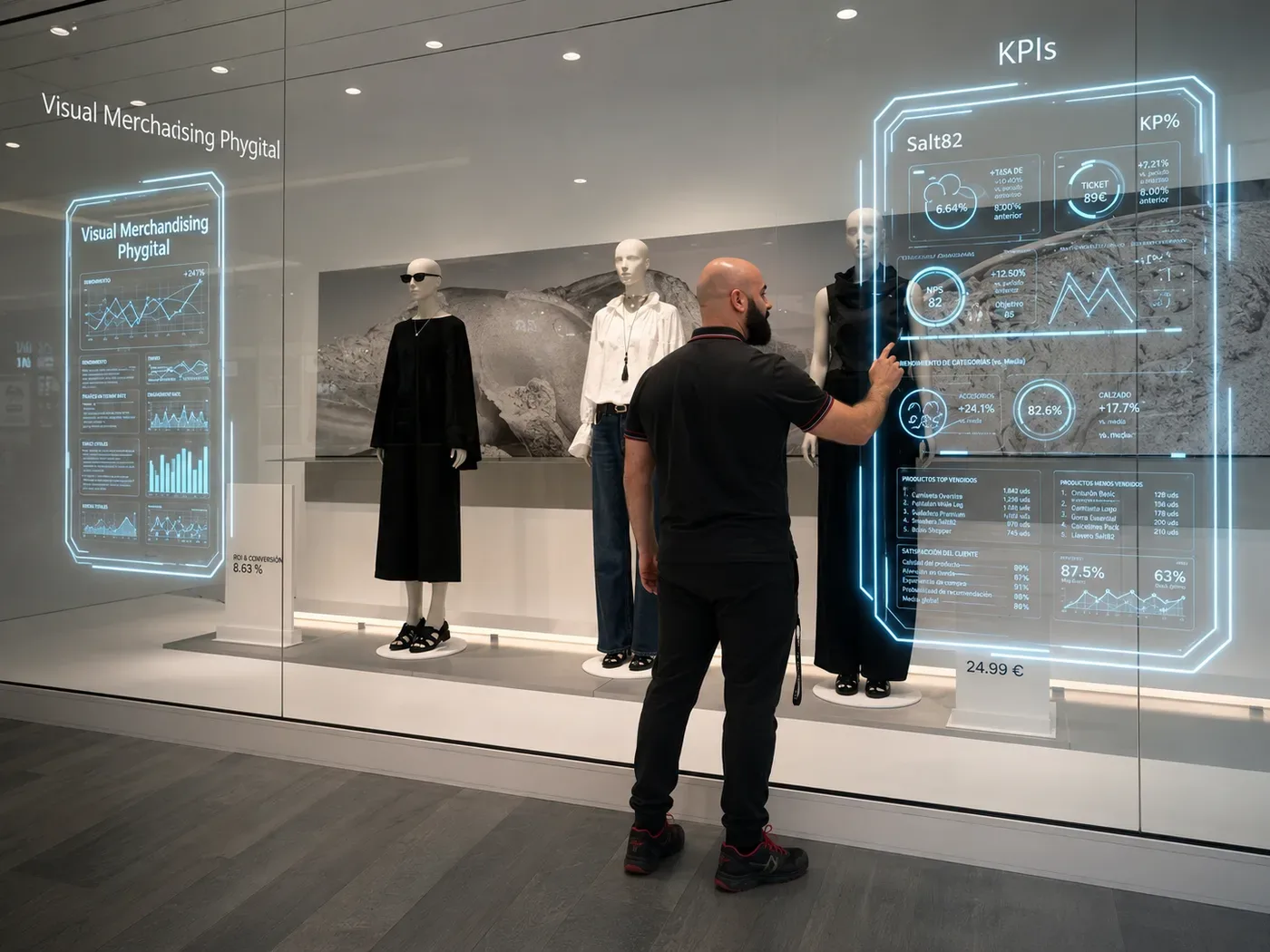
The sentence I hear most in the workshop is this one: "I get visitors, but I don't sell". And it always reminds me of the same thing: a gorgeous shop window with the light bulb blown. People walk past, glance sideways and keep going. It's not that your product isn't good. It's that something, often something silly, is putting people off. I've spent 28 years watching how people move inside a shop, and online the mistakes look remarkably alike.
In short: an online shop stops selling for two reasons. Either people can't find it (an SEO problem) or they find it and it doesn't convince them (a conversion or CRO problem). It's almost always a mix of both.
SEO and CRO: bringing people in and getting them to buy
SEO is the street: getting people to walk past your door. CRO (conversion rate optimisation) is everything from the door inwards: that they come in, find what they're after, trust you and pay without a second thought. You can have the best street in the world and sell nothing if it's a mess inside. And the other way round: the most beautiful shop won't sell if it's down an alley nobody walks through.
Six SEO mistakes that leave you down an alley
+1. Titles that say nothing. "Home", "Product 1", "Autumn collection". Google and people need to know what each page is about, in the words they actually use.
+2. Descriptions copied from the supplier. If yours is the same as on a hundred other websites, why would Google show you? Write your own, even if they're short.
+3. A slow website. If it takes ages to load, people leave before they see anything. And Google knows it and takes it into account.
+4. Photos called IMG_4523 with no alt text. That's content Google can't understand and image search traffic you're giving away.
+5. Not having Google Search Console. It's free and it's the only place where Google tells you how it sees you. Going without it is driving at night with the lights off.
+6. Designing the website for desktop. Most of your customers visit on their phone. If it looks so-so on mobile, it looks bad.
A homepage has three seconds to say who you are and what you sell. Just like a shop window.
Six conversion mistakes that empty your till
+7. Nobody gets what you sell in three seconds. If people have to decode your website when they land, you've lost. Same as a shop window crammed with stuff.
+8. Product pages that don't answer questions. Size, materials, care, delivery time, what if it doesn't fit. Every unanswered question is a sale left hanging.
+9. Surprises at checkout. Shipping costs that pop up at the end, forcing people to create an account, never-ending forms. It's like being charged for the bag at the till without warning.
+10. Zero trust signals. No reviews, no contact details in sight, no photo of who's behind it. If I don't know who you are, I'm not giving you my card.
+11. Too many buttons and too many steps. When everything shouts at once, nothing gets heard. One clear main button per page and the shortest possible path to payment.
+12. Doing nothing about people who leave. Abandoned carts with no reminder email, visitors who never hear from you again. It's letting a customer walk out without even saying goodbye.
What you don't measure, you guess. And guessing burns a lot of money.
Where to start without losing your mind
You don't need to fix everything at once or rebuild the whole website. My order, always: first whatever blocks the sale (payments, shipping, mobile), then whatever builds trust (product pages, reviews, contact) and then whatever brings more people (SEO). And every change, measured. If you don't know what happened after touching something, you haven't improved anything: you've just changed stuff.
An online shop is like a street shop: you tidy it, light it, change the window and listen to the customer. I've been doing that all my life. The difference is that online, the numbers tell you exactly where people are slipping away. Make the most of it.
Frequently asked questions
Why do I get visitors on my website but no sales?+
Almost always because of a lack of trust or clarity: it isn't clear what you sell, product pages don't answer questions, there are surprises at checkout or the site works badly on mobile. It may also be that your visitors aren't people ready to buy.
What is CRO?+
CRO stands for Conversion Rate Optimisation. It means improving your website so that a higher percentage of the people who visit end up buying or getting in touch.
How do I know if my website is slow?+
Run it through PageSpeed Insights, Google's free tool. It gives you a score for mobile and another for desktop, and tells you what's slowing it down the most.
How often should I review my online shop?+
Glance at the data every week and do a thorough review every few months, or whenever you change something important such as the design, shipping or payment options.
Who's writing
Juan Carlos Barrón
Web designer, event organiser, visual merchandiser, window dresser and retail consultant with 28 years in stores such as Zara, Chanel, Lladró and Galeries Lafayette. Now, from the beautiful Calle Balborraz, at number 14, in Zamora, to the world: in Spanish, English and French.