Calle Balborraz in Zamora: a thousand years of artisans, and now Barronico
It runs down from the Plaza Mayor to the Duero, has an Arabic name and has been Zamora's artisans' street for a thousand years. Here's its story, and why I chose to open Barronico here.
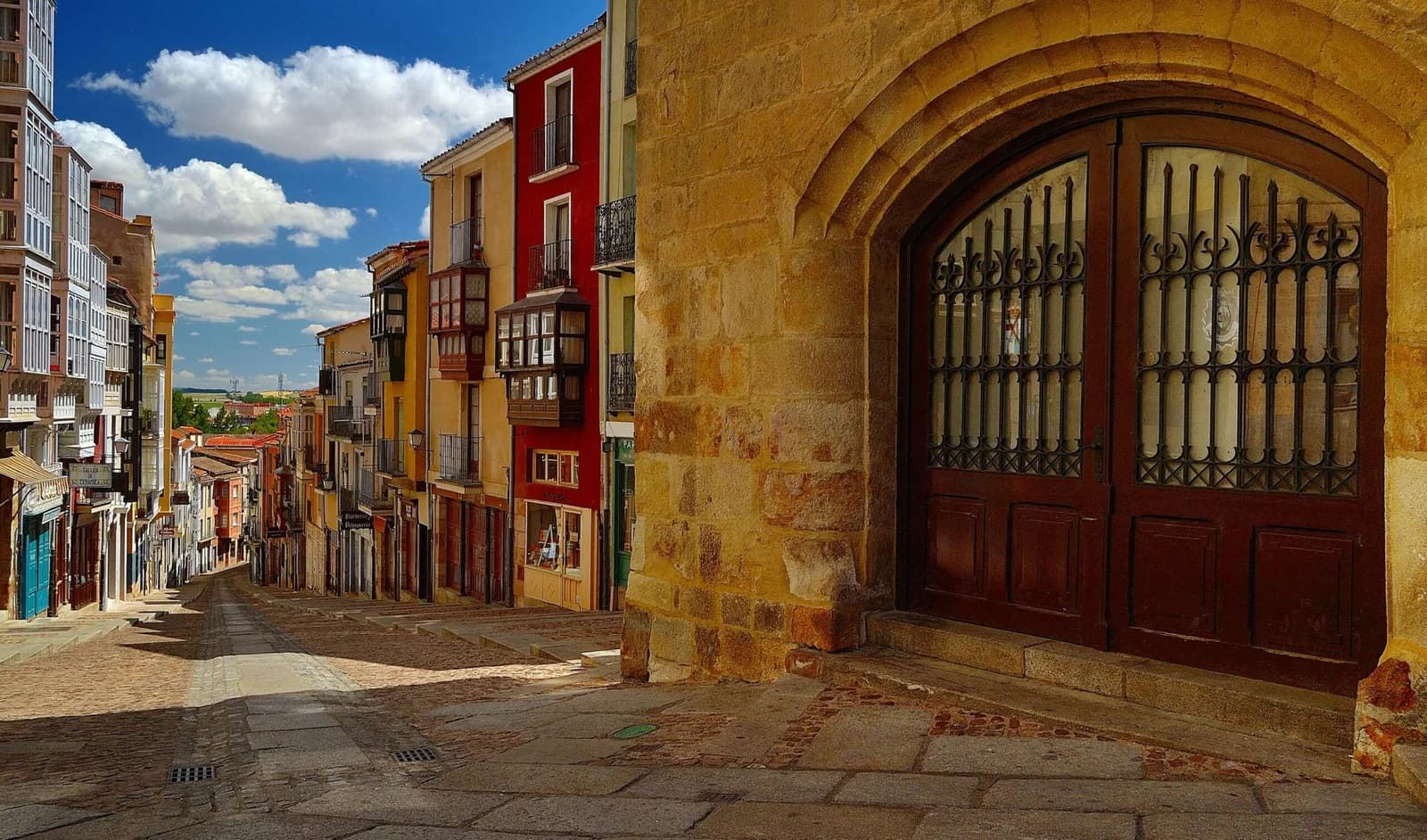
There are streets you walk through and streets you walk into. Balborraz is the second kind. It starts at the Plaza Mayor in Zamora and runs down, on an unforgiving slope, to the Duero. Colourful houses, wooden and iron balconies, cobbles and stone. And a thousand years of trades. This is where I've decided to open Barronico, at number 14, and before telling you why, I want to tell you whose street this is.
In short: Calle Balborraz is one of the oldest streets in Zamora. It runs from the Plaza Mayor down to the Duero, its name comes from the Arabic bab al ras, "the gate of the head", and since the 10th century it has been the city's artisans' street.
A name that comes from a gate
Balborraz comes from the Arabic bab al ras, meaning "the gate of the head". Cesáreo Fernández Duro already recorded it in his 1898 bibliographic collection on the province of Zamora. The street took its name from a gate in the city wall that stood here from the 10th century, with a head carved on its lintel, according to tradition. That gate no longer exists: it was pulled down in 1555 because it was in danger of collapsing. The stone went, but the name stayed.
The Balborraz slope.
A thousand years of trades
Since the 10th century, Balborraz has been a street of artisans. It linked the old Jewish quarter with the city centre, and in its houses worked coppersmiths, carpet makers, blanket weavers, blacksmiths, wool merchants and tinsmiths. The workshop downstairs, the home upstairs and the goods on show to anyone walking up or down. That, deep down, is a shop window: showing your craft at street level so people stop.
Why trade faded
What had made Balborraz great also punished it: the slope. When new means of transport arrived, such a steep street stopped being useful for moving goods, and trade moved to other parts of the city. The workshops closed one by one, and many ground floors were left with their shutters down.
Balborraz on an old postcard.
That's why opening here matters so much to me. It isn't nostalgia. It's the conviction that a street of artisans can be one again if someone puts a workshop back at street level.
Balconies, glazed galleries and modernism
Most of the houses you see today date from the late 19th and early 20th centuries. Among them are gems of modernism, such as the Casa de Faustina Leirado at number 3, built by the architect Francesc Ferriol in 1910: verticality, glazed galleries and floral ornament. The street was restored in the 1990s, and that restoration received a Europa Nostra award in 1997. In 2024 the newspaper El Español included it among the most beautiful streets in Spain. I have no doubt about it.
Casa de Faustina Leirado (Francesc Ferriol, 1910), at Balborraz 3. Photo: Wikimedia Commons.
The street at Holy Week
If you want to see Balborraz with its whole soul, come at Holy Week. On Holy Monday, the Brotherhood of the Santísimo Cristo de la Buena Muerte walks down the slope lit only by torches, with its members in white habits, on their way to the Plaza de Santa Lucía. It's one of those images you never forget.
Holy Monday: the Buena Muerte comes down Balborraz.
Why Barronico is here
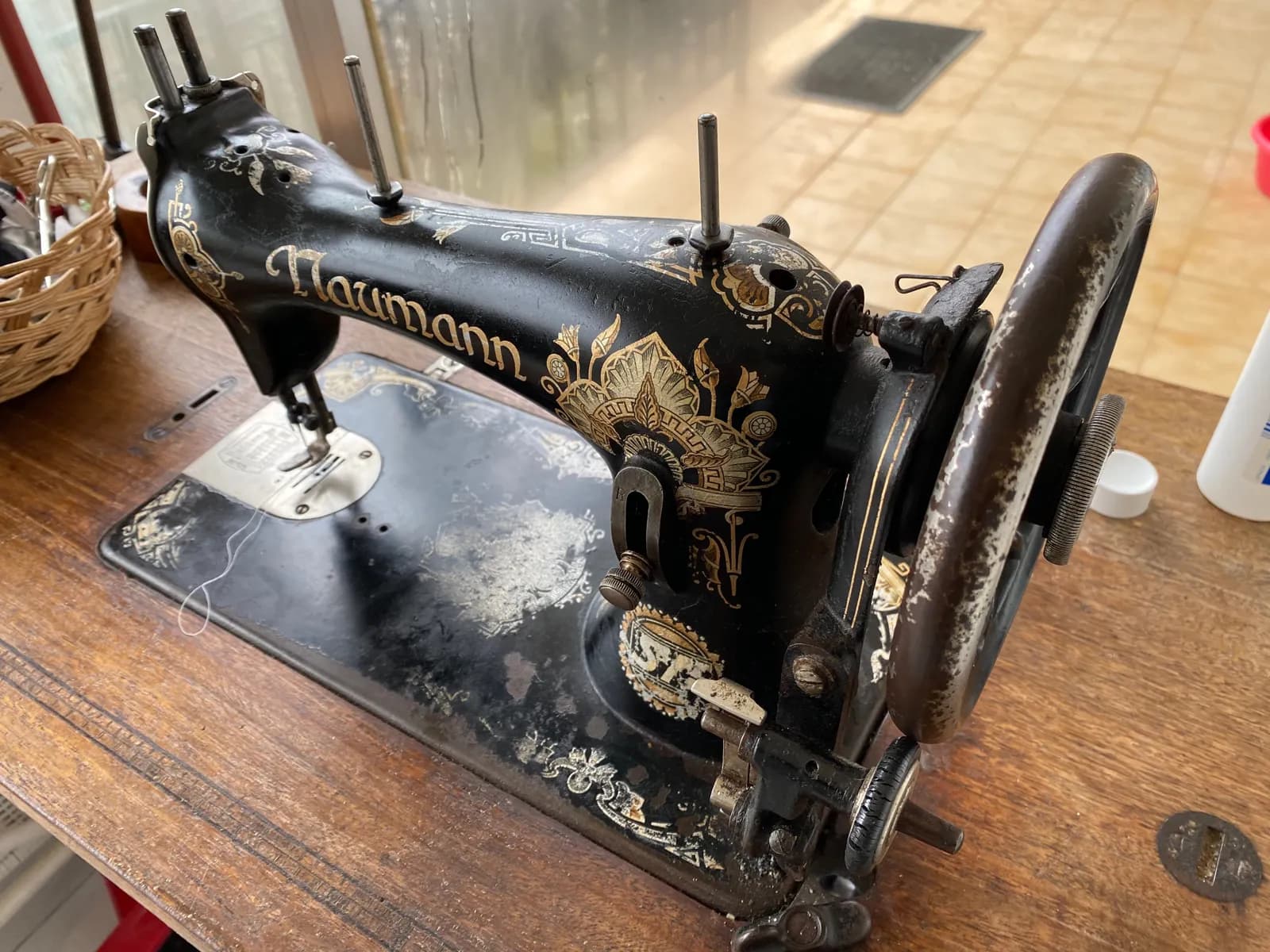
Because Barronico is a workshop, and this is the street of workshops. Because BARRONVISUAL, the studio, is already at number 16, and the shop next door, number 14, was the chance to finally have a door onto the street. And because I love the idea that, a thousand years after the coppersmiths and wool merchants, there will again be someone on Balborraz sewing, dressing windows and making things by hand. Only now we make websites too.
At the door of the future Barronico, Balborraz 14.
It's a building you don't touch on the outside: the stone and wood of always. Inside, it will change concept every year, like a living exhibition. Concept store, sewing workshop and digital agency in one place. MATERIA and CÓDIGO. Phygital Craft, made slowly.
If you come to Zamora
Start at the Plaza Mayor and let yourself drift down Balborraz towards the river, slowly and looking up: the glazed galleries, the ironwork of the balconies, the colours. The Duero waits at the bottom. And halfway down, very soon, our door will be open.
Frequently asked questions
What does Balborraz mean?+
It comes from the Arabic bab al ras, "the gate of the head". The street took its name from a gate in the city wall that stood here from the 10th century and was pulled down in 1555.
Where is Calle Balborraz?+
In the historic centre of Zamora, Spain. It starts at the Plaza Mayor and runs downhill to the river Duero.
What is there on Calle Balborraz?+
Colourful houses from the late 19th and early 20th centuries, modernist buildings such as the Casa de Faustina Leirado and, at number 14, Barronico: concept store, sewing workshop and digital agency.
Who's writing
Juan Carlos Barrón
Web designer, event organiser, visual merchandiser, window dresser and retail consultant with 28 years in stores such as Zara, Chanel, Lladró and Galeries Lafayette. Now, from the beautiful Calle Balborraz, at number 14, in Zamora, to the world: in Spanish, English and French.