Concept store: what it is and why it isn't just any shop
The word has been used so much that it's now slapped on any place with a plant and a candle. Here's what a concept store really is, the three shops that invented it and what MATERIA at Balborraz 14 will be like.
Every time I say we are opening a concept store at Balborraz 14, someone gives me a look that says they can't tell if it's a shop, a gallery or a café with ambitions. I get it: the word has been used so much that today it's slapped on any place with a plant and a scented candle. So let me tell you what it really is, where it comes from and why it has nothing to do with an ordinary shop.
In short: a concept store is a shop organised around a point of view, not a product category. It mixes fashion, objects, books, art or food because someone has chosen them with the same eye, and a visit feels more like walking through an exhibition than running an errand.
What a concept store is (and what it isn't)
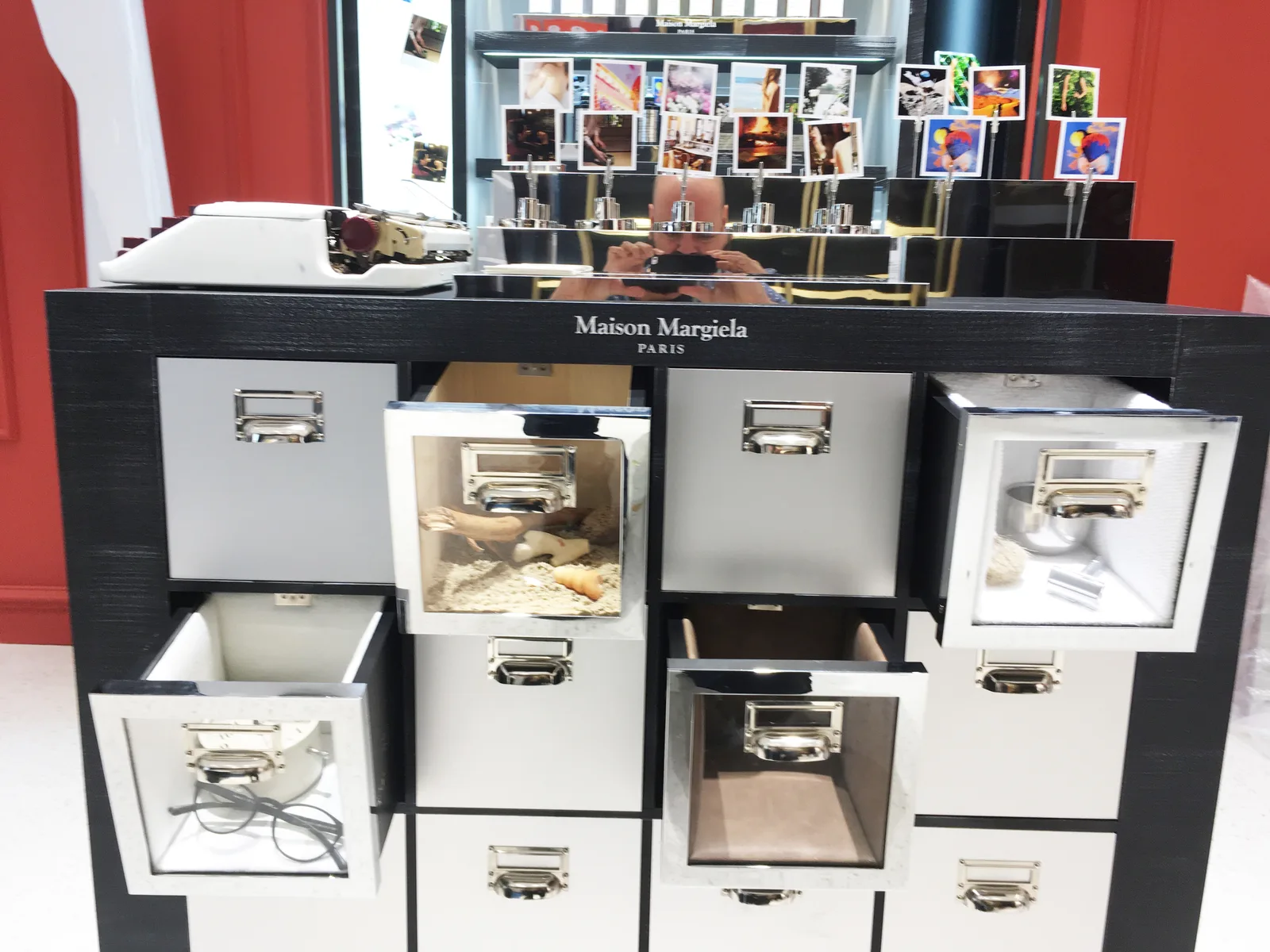
An ordinary shop is defined by what it sells: shoe shop, bookshop, hardware store. A concept store is defined by who chooses. You might find a T-shirt next to a ceramic mug and a photography book, and it isn't a mess: all three pieces tell the same story. The thread isn't the product, it's the judgement.
Open drawers, objects that don't look alike and a single story. Photo: Juan Carlos Barrón.
What it isn't: a shop with lots of choice, a pretty bazaar or a place with good music. Take away the person who selects, and if what's left is just an assortment, it was never a concept store.
Where it comes from: three shops that invented it
Almost everything we call a concept store today comes from three places. I've visited them, studied them, and I go back to them whenever I'm in doubt.
10 Corso Como, Milan (1990)
Fashion editor Carla Sozzani opened a gallery in 1990 in a former garage at number 10 Corso Como. The following year she added a bookshop, a fashion and design shop, a café and a garden, and in time even a small hotel. That's how WWD and Forbes tell it, calling it outright the world's first concept store. The idea was simple and radical: a place where fashion lived alongside art and everyday life, like a magazine you could walk through.
The entrance to 10 Corso Como, Milan (press photo).
The renovated shop. Photo: Melania Dalle Grave, DSL Studio (courtesy of 10 Corso Como).
Gentle Monster installation at 10 Corso Como (press photo).
Colette, Paris (1997-2017)
In March 1997, Colette Roussaux and her daughter Sarah Andelman opened Colette at 213 rue Saint-Honoré. Three floors with fashion, an exhibition gallery, a bookshop and a water bar with more than a hundred bottled brands. For twenty years it was the place where a trainer, a perfume and a fanzine appeared together before anywhere else. It closed on 20 December 2017, and Andelman explained that they preferred to close rather than sell, because in someone else's hands it wouldn't be the same (as The Fader reported when the closure was announced). That sentence sums up the concept better than any definition: without the eye of whoever chooses, there is no shop.
Balenciaga in the Colette window, rue Saint-Honoré (press photo).
The Coach x colette capsule (press photo).
Dover Street Market, London (2004)
In 2004, Rei Kawakubo, the designer behind Comme des Garçons, and her husband Adrian Joffe opened Dover Street Market in Mayfair. Kawakubo called it "beautiful chaos": huge brands and unknown designers sharing a floor, each with its own corner, and the space changing every season as if it were an installation. Today it also has stores in Tokyo, New York and Beijing, and it still treats its facade as a canvas.
Dover Street Market, London, with portraits by Cindy Sherman (press photo, via Vogue Business).
A Dover Street Market window (press photo).
What they have in common (and what you can copy)
None of the three looks like the others, but all three follow the same rules. And none of them needs a Milan or Paris budget to work on a street in Zamora:
+A point of view with a name. Behind it there's a person who chooses and stakes their taste on every piece.
+Mixing with meaning. Fashion, objects, books, food or art together, as long as they tell the same story.
+Short runs. Few units of each thing: when it's gone, it's gone, and that's what brings you back.
+The space changes. It's renewed, set up and taken down. A concept store that always looks the same turns into a shop.
+People come to discover. They walk in looking for nothing in particular and leave with something they didn't know they wanted.
Why it isn't just any shop
The traditional shop competes on price and range. There, the internet and the big chains always win. A concept store competes on the only thing that can't be copied: the judgement of whoever runs it and the experience of walking in. That's why it works so well in small cities and on streets with history, where people stroll without hurrying. In the post about Calle Balborraz I told you this was for centuries the street of craftspeople and shops; a concept store is, deep down, a return to that.
What MATERIA, Barronico's concept store at Balborraz 14, will be like
MATERIA will be exactly that, on a neighbourhood scale. We open very soon, and inside there will be T-shirts and designer pieces, customised ceramics and porcelain, reworked vintage and one-off pieces by other craftspeople I admire. Next to it, a sewing and alterations workshop, and a studio where I design window displays and handmade props for other small shops.
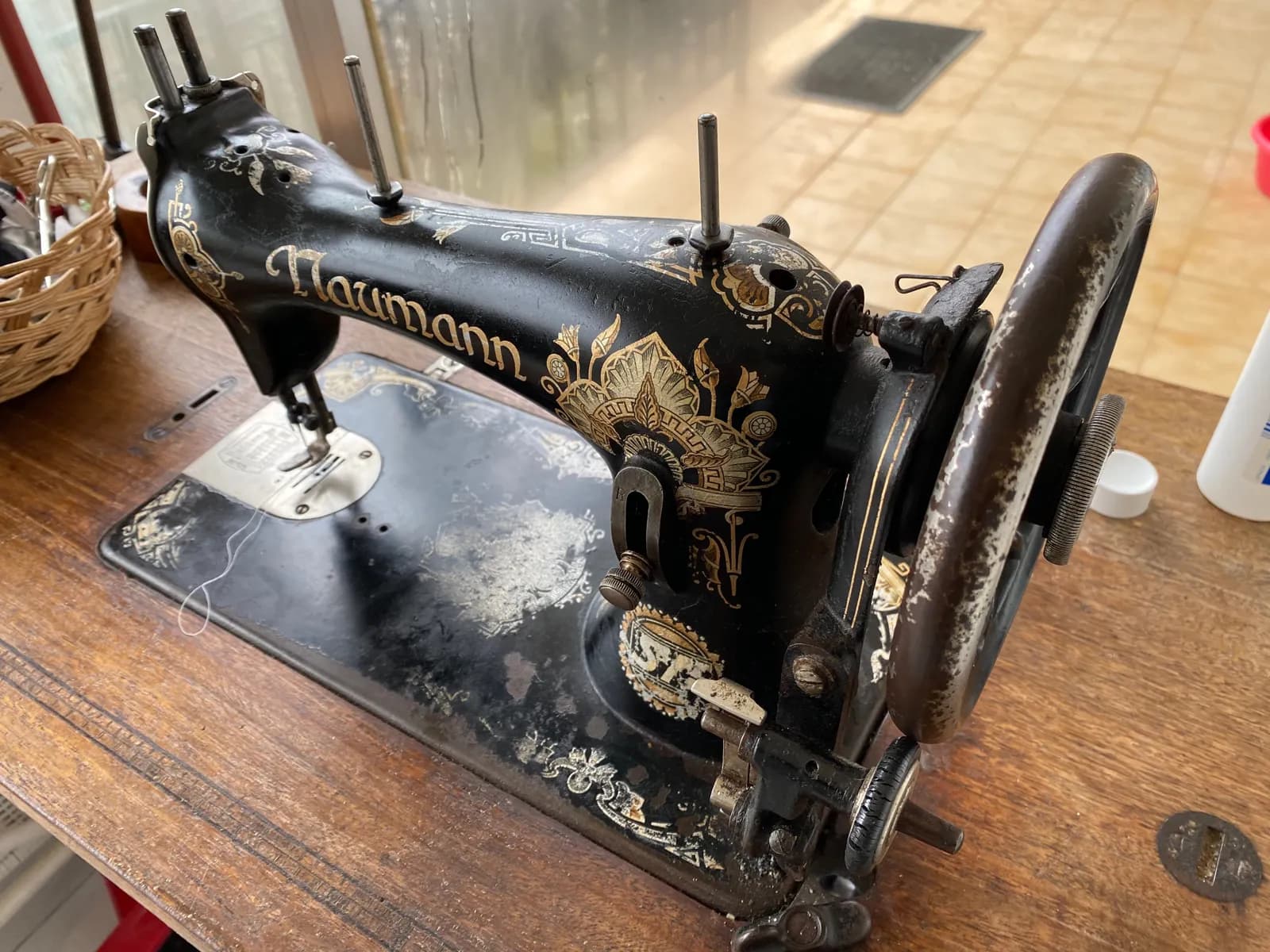
Before the installation, everything starts on the workshop table. Photo: Juan Carlos Barrón.
Each piece will carry its own label with a QR code holding its story and its payment, which is what I call Phygital Craft. And the space won't stand still: it will change with the seasons, the commissions and whatever happens on the street. Slow-cooked, from Zamora to the world.
Frequently asked questions
What does concept store mean?+
It's a shop organised around a point of view rather than a type of product. It brings together fashion, objects, books, art or food chosen with the same eye, and it usually changes often so that every visit is different.
What was the first concept store?+
It's generally considered to be 10 Corso Como, which Carla Sozzani opened in Milan in 1990 as a gallery and expanded the following year with a bookshop, shop, café and garden. Colette in Paris (1997) and Dover Street Market in London (2004) followed.
Is there a concept store in Zamora?+
Barronico will soon open MATERIA at Calle Balborraz 14 in Zamora: designer pieces, customised ceramics and porcelain, a sewing and alterations workshop, and a window display studio for small shops.
Who's writing
Juan Carlos Barrón
Web designer, event organiser, visual merchandiser, window dresser and retail consultant with 28 years in stores such as Zara, Chanel, Lladró and Galeries Lafayette. Now, from the beautiful Calle Balborraz, at number 14, in Zamora, to the world: in Spanish, English and French.