24 September 2026
What is Phygital Craft: making by hand, slowly, what you touch and what you code
People often ask me what Phygital Craft is. Fair enough: I made it up. Here it is, straight.
24 September 2026
People often ask me what Phygital Craft is. Fair enough: I made it up. Here it is, straight.
People often ask me what "Phygital Craft" is. Fair enough: I made it up. So here it is, straight.
In short: Phygital Craft is how Barronico works. Everything is made by hand, slowly and with judgement, both the physical (pieces, shop windows, sewing) and the digital (websites, online shops, strategy). One doesn't replace the other: they need each other.
It comes from putting physical and digital together. In retail it describes shops where the physical and the digital stop being two separate channels and work as one: the shop that sends you to the website and the website that brings you to the shop. It isn't about sticking a screen in the window and calling it innovation. It's about both halves needing each other.

A craftsman works with their hands, and slowly. Over a low flame. Before touching the clay or the fabric, they think: who is it for, how will it be used, why will it last. And while making it, they care far more about the beauty of what they create than about finishing fast. That's a craftsman, the way it's always been.
A website works the same way, whatever they try to sell you. Right now there are ads everywhere promising you a website in five minutes with artificial intelligence. And yes, in five minutes you get something. Something identical to everyone else's, that says nothing and sells nothing.
A well-made website takes time: one month for a basic website, two for a corporate website and three for an online shop. You have to understand the shop, think through the journey, write every line, choose every photo, build it so it's fast, and then measure whether it works. Just like a shop window: a good one isn't put together in five minutes, it's thought through.
That's how I work at CÓDIGO. By hand, over a low flame.
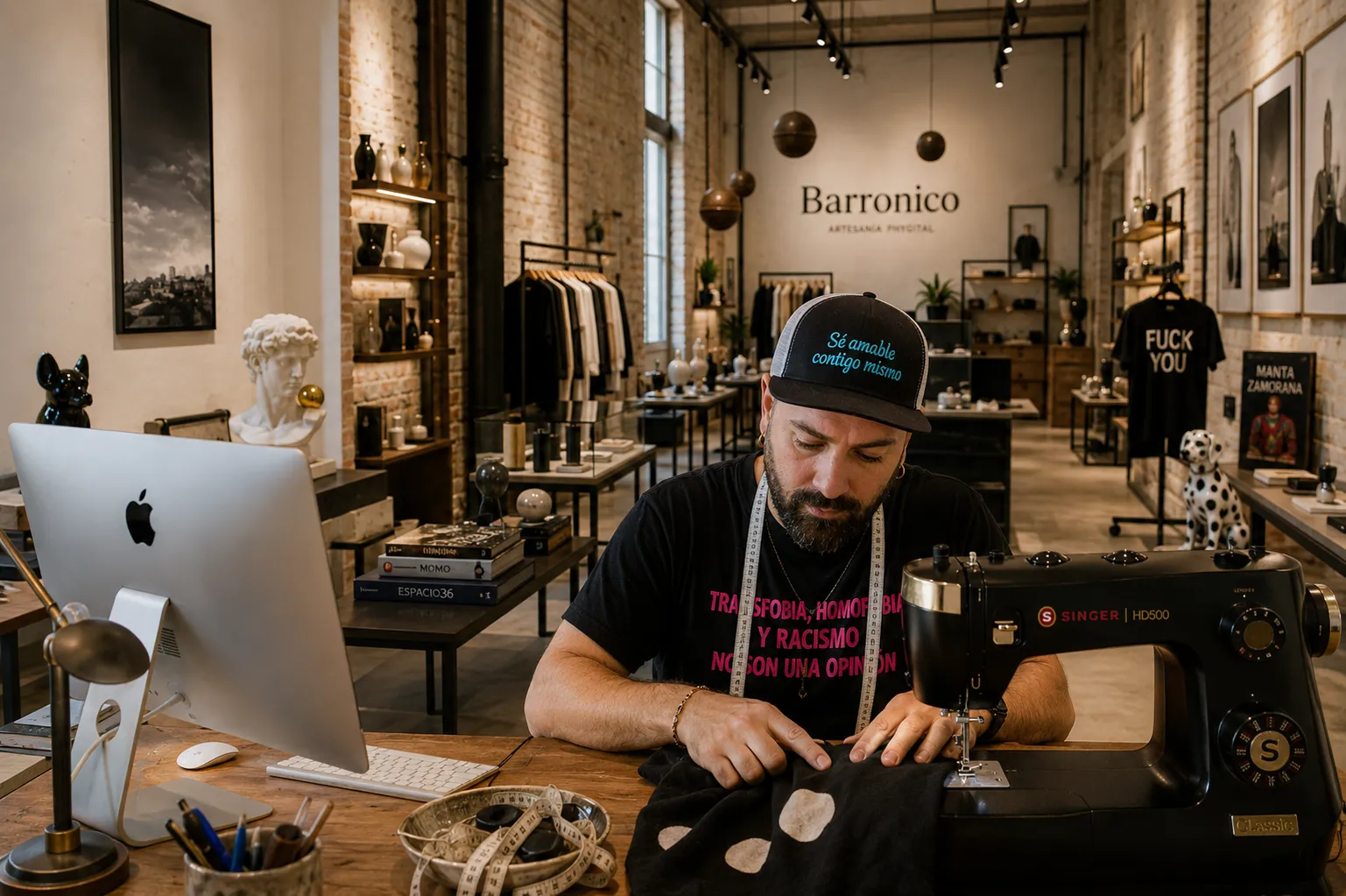
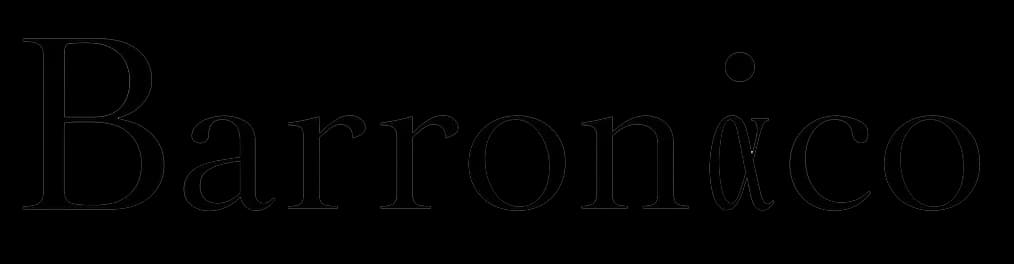
I've spent 28 years in shops: Zara, Chanel, Lladró, Galeries Lafayette. I've learnt that the eye that arranges a window so people stop is the same eye that arranges a website so people buy. Window and homepage, focal points and product pages, till and checkout. The same craft in two materials.
That's why Barronico has two halves:
And a street-level shop at Balborraz 14, where both halves share the same counter.
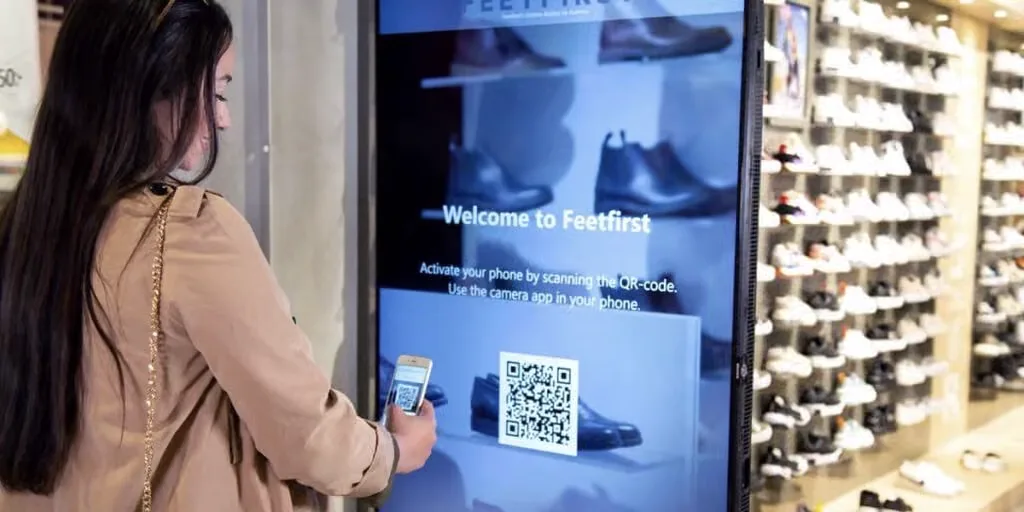
In the shop on Calle Balborraz, everything you see will be for sale. And every piece will carry a label with a QR code: scan it with your phone and it tells you its story (who made it, with what, how) and lets you pay for it on the spot. You touch the piece; its story and its purchase are on the screen. That's Phygital Craft too.
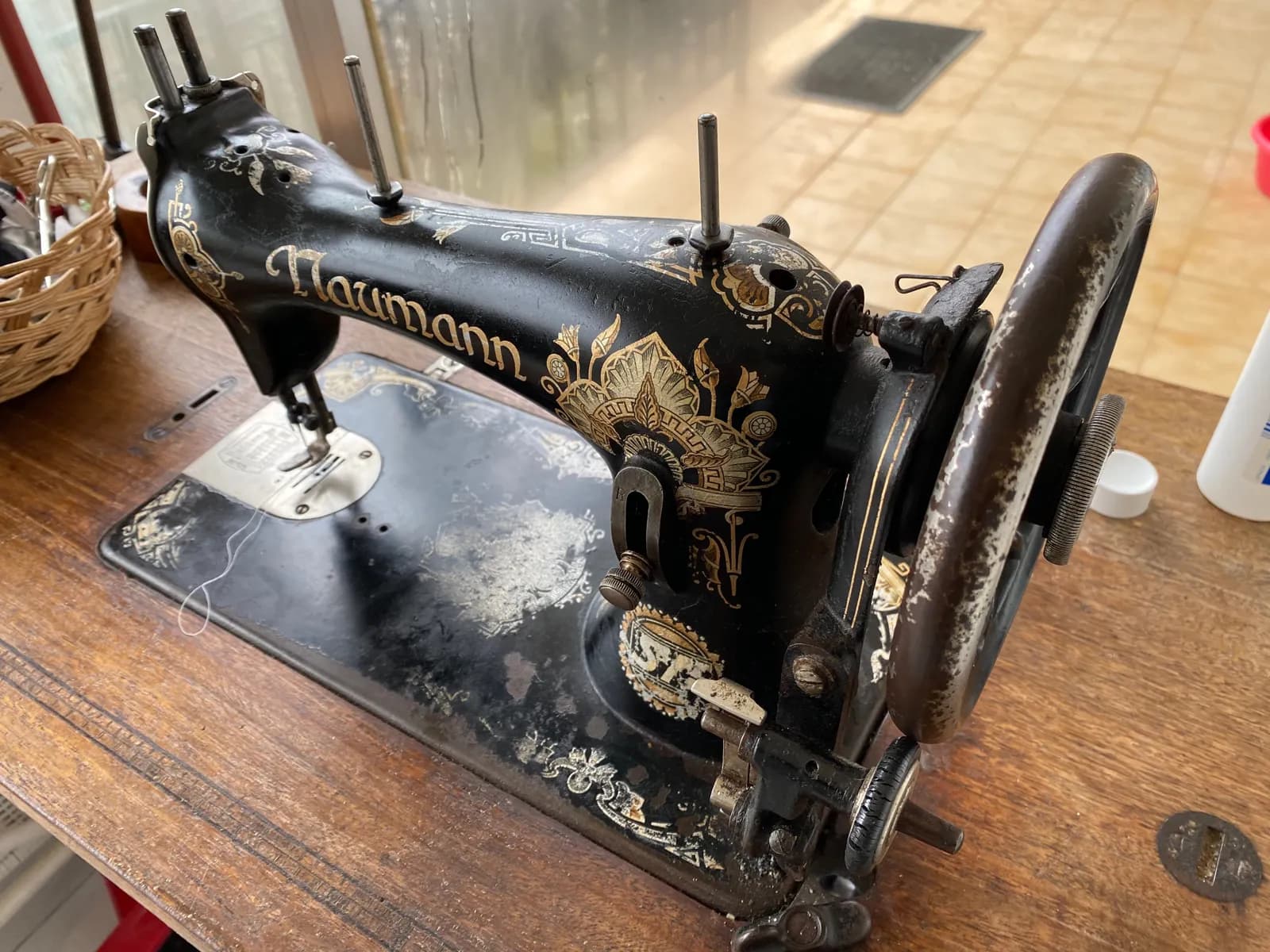
It isn't being against technology. I use digital tools every day, just like I use a sewing machine. What I don't leave to a machine is judgement: what gets said, how it's said and when something is properly finished.
Nor is it souvenir craft. You won't find mementos of Zamora here. You'll find pieces with an author and websites with a soul.
For anyone who values things made with time: the person looking for a piece nobody else has, and the shop or brand that wants a website that looks like them and not like their competitors.
From Zamora to the world, in Spanish, English and French.
Making both physical and digital things by hand and slowly, with the same judgement. It's how Barronico works.
As long as it takes to do it properly: one month for a basic website, two for a corporate website and three for an online shop.
At Calle Balborraz 14, in Zamora, Spain. We work for shops and brands in any country.
Who's writing
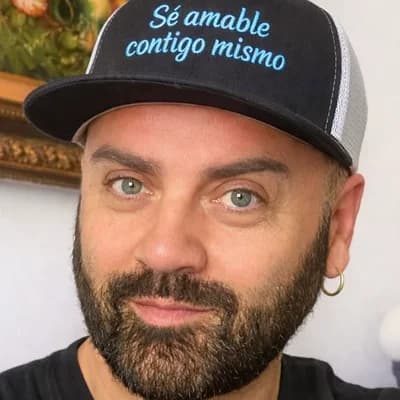
Juan Carlos Barrón
Web designer, event organiser, visual merchandiser, window dresser and retail consultant with 28 years in stores such as Zara, Chanel, Lladró and Galeries Lafayette. Now, from the beautiful Calle Balborraz, at number 14, in Zamora, to the world: in Spanish, English and French.
Get to know me →